


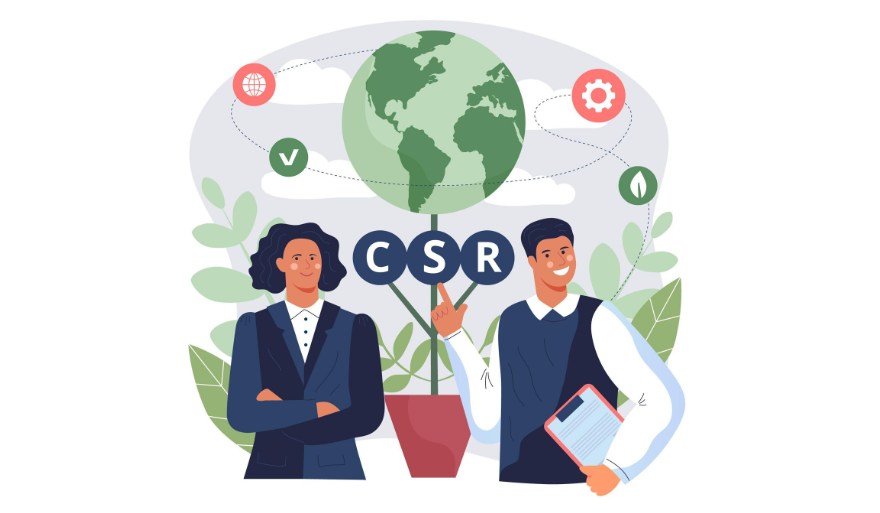
In the modern environment where consumers are more socially aware than ever, incorporating Corporate Social Responsibility (CSR) initiatives into your business is growing paramount. A carefully designed CSR strategy helps in building brand image and also in establishing a stronger relationship with your audience.
In this guide, we’ll explore actionable tips to incorporate CSR into your campaigns and ensure your brand stands out responsibly. Follow along to learn how to make a positive social impact while boosting engagement and loyalty.
- Engage Employees in CSR Efforts
Let’s start with the big picture. You should never underestimate the importance of encouraging your employees in CSR activities – some will already be passionate about particular CSR areas. This will help create a culture of social responsibility in your organisation. Some ideas to consider could include establishing team volunteer days, donation matching, or even involving them in the decision-making process concerning what initiatives your company should fund.
Access to learning opportunities, including sustainability courses, can also make employees knowledgeable and equipped to make meaningful contributions. Besides giving your employees pride and collaborative work, this will enhance your brand commitment to social issues.
With a proper combination of these strategies, your campaigns will not only make your business more successful but also benefit society, which is a contemporary approach to corporate ethics.
- Understand Your Audience’s Values
To start, you need to know what social issues resonate with your target audience. This can be achieved through surveys, polls or active engagement on social media platforms. Listening to your audience’s concerns allows you to design campaigns that truly align with their values. For example, if your audience prioritises sustainability, highlighting eco-friendly production processes or supporting environmental initiatives will make your campaign resonate more authentically.
This proactive measure means you can then focus on audience targeting, which will assist you in developing campaigns that most effectively appeal to their beliefs. Let’s look at it this way: In case your audience prioritises sustainability, it’s strongly advisable to focus on eco-friendly practices in your messaging.
- Align Your Brand with a Cause
Your next move should be to select a cause that’s meaningful not only to your audience but also aligns with your company’s mission: this could be anything from environmental conservation to social justice. Authenticity is key: audiences can detect insincere efforts and failing to follow through can damage your credibility. Ensure your initiatives are meaningful and reflect your long-term commitment.
- Integrate CSR into Marketing Strategies
CSR activities need to be embedded into your marketing efforts. As an example, when your campaign advertises a new product, consider giving away a percentage of sales to a charity that matters. Doing so reinforces the message that your brand is contributing positively to society. Over time, this integrated approach strengthens customer trust and loyalty.
- Highlight Transparency and Impact
The success and authenticity are dependent on transparency. Be open about your Corporate Social Responsibility (CSR) initiatives and how influential they are. Don’t be afraid to include stories about how your company’s efforts are changing lives, including testimonials from beneficiaries or updates on project progress. This transparency and visibility will instill confidence and motivate consumers to feel connected to your brand mission.
- Utilise Authentic Storytelling
Leverage the power of storytelling to communicate your CSR efforts. You should share compelling narratives that illustrate the impact of your initiatives on communities and individuals.
Take advantage of various platforms like social media through a Facebook post, blogs and video content to reach a wider audience. Using them, you can also evoke an emotional connection, making your campaign more memorable and impactful.
- Measure and Evaluate Your Impact
Incorporating CSR into campaigns is just the start. Tracking its effectiveness is equally important. Set measurable goals for your initiatives, whether it’s the number of trees planted, meals donated or volunteer hours contributed. Use surveys, analytics and feedback forms to gauge audience engagement and perception. By evaluating your CSR campaigns, you’ll identify what resonates most with your audience and which efforts create genuine impact, allowing you to refine future strategies.
- Collaborate with Like-Minded Partners
Partnerships can amplify the reach and credibility of your CSR efforts. Look for non-profits, social enterprises or community organisations whose values align with your brand. Collaborating allows you to pool resources, share expertise, and reach a wider audience. For example, a sustainable fashion brand partnering with an environmental NGO can jointly run campaigns highlighting ethical sourcing. These collaborations can also create storytelling opportunities that strengthen the authenticity of your initiatives.
- Educate Your Audience
CSR campaigns offer a unique chance to inform and educate your customers about social and environmental issues. Share insights, tips, or actionable advice that aligns with your initiatives. For instance, a company promoting plastic reduction could create content on eco-friendly lifestyle habits. Education not only positions your brand as a thought leader but also encourages your audience to take part in positive change, making them active contributors rather than passive consumers.
- Leverage Employee Advocacy
Beyond participation, employees can become powerful advocates for your CSR campaigns. Encourage staff to share initiatives on their personal social media, write blog posts or speak at events. Employee advocacy humanises your brand, showing that CSR is embedded in your corporate culture rather than just a marketing tactic.
- Focus on Long-Term Commitment
CSR is most effective when it’s sustained over time rather than implemented as a one-off initiative. Long-term commitment demonstrates that your brand genuinely cares about societal impact. It doesn’t matter whether it’s supporting an ongoing charity, running an annual volunteer program, or continuously improving eco-friendly practices; consistent effort builds credibility and differentiates your brand in a crowded market.
- Encourage Community Participation
Finally, consider ways to actively involve your customers and community in your CSR efforts. This could include fundraising challenges, interactive social campaigns or volunteer events where your audience can contribute directly. By inviting participation, you create a sense of shared purpose, making your CSR campaigns more impactful and memorable.
Wrapping Up
Incorporating all these effective strategies into your campaigns can create meaningful contributions to society. These efforts will further your brand’s mission and enhance its overall reputation, contributing positively to a socially responsible corporate world. More importantly, they show your customers and employees that your brand is committed to making a real difference. In the long run, this authenticity can foster stronger loyalty and long-lasting trust.